
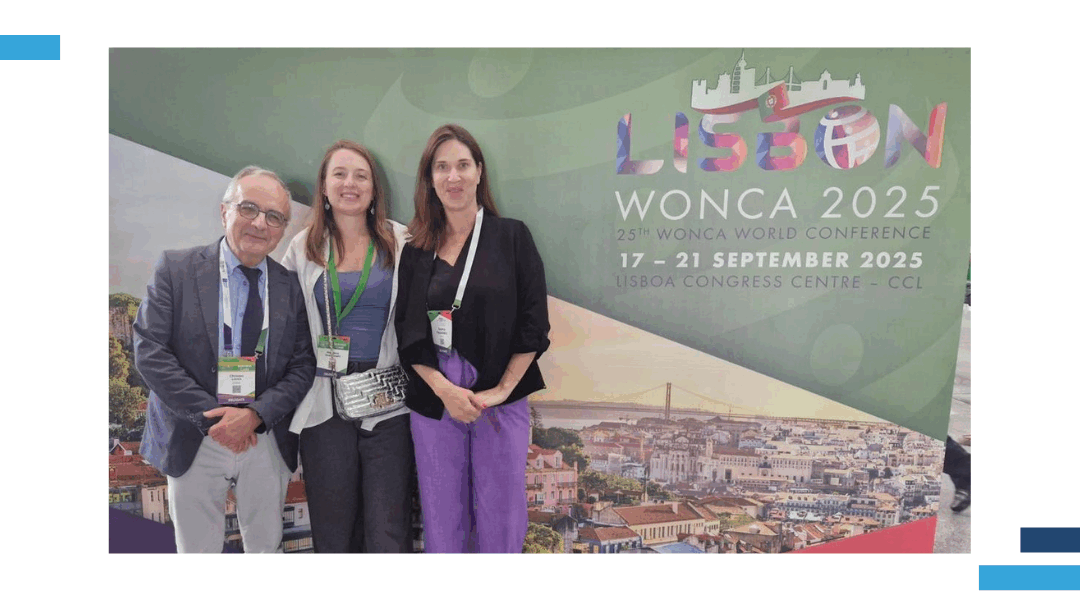
The European IMAGINE Project presented the paper “Enhancing Infection Prevention and Control in Greek Nursing Homes: Insights from the IMAGINE Workshop” at the WONCA 2025 World Conference of Family Medicine, where the results of the initiative carried out in nursing homes in Crete (Greece) were shared.
This initiative involved thirty healthcare professionals—family doctors, nurses, and social workers—from nine nursing homes, within the framework of the IMAGINE Project, a European collaboration currently involving eight countries. The project aims to improve infection prevention and control (IPC) practices and reduce antimicrobial resistance (AMR).
Methodology and content presented
During the presentation, the methodology used in Crete was explained, and the educational materials developed by the project (posters, leaflets, and guidelines, available in the IMAGINE toolkit) were showcased. Key topics were also addressed, such as urinary tract infection (UTI) prevention, catheter management, and antimicrobial resistance trends.
Results and insights
Participating professionals reported that UTIs frequently occur after hospital discharge, due to prolonged catheterization and prior antibiotic use. Preventive measures considered essential included hydration, anogenital hygiene, and frequent diaper changes.
In addition, the teams committed to implementing the educational materials and training programs developed by IMAGINE, focusing on hand hygiene, proper glove use, UTI prevention, and antibiotic stewardship. However, important challenges were identified, such as resistance among some professionals to change established habits—for example, wearing jewelry or nail polish during care practice.
Team presentation
The presentation in Lisbon was delivered by the University of Crete team: Greta Tsoulchai, Marilena Anastasaki, Elena Petelos, Diamantis Kofteridis, and Christos Lionis, together with Spanish partners Carles Llor and Ana García Sangenís, and Danish partners Jette Nygaard Jensen and Jesper Lykkegaard.